From village schools to multi-site federations we have services adjusted to your needs, meaning you can be teaching our next generation secure in the knowledge we have it covered!
Your work is more important than worrying about IT issues, we have a fully adaptable range of services to make sure your focus remains on the task at hand!
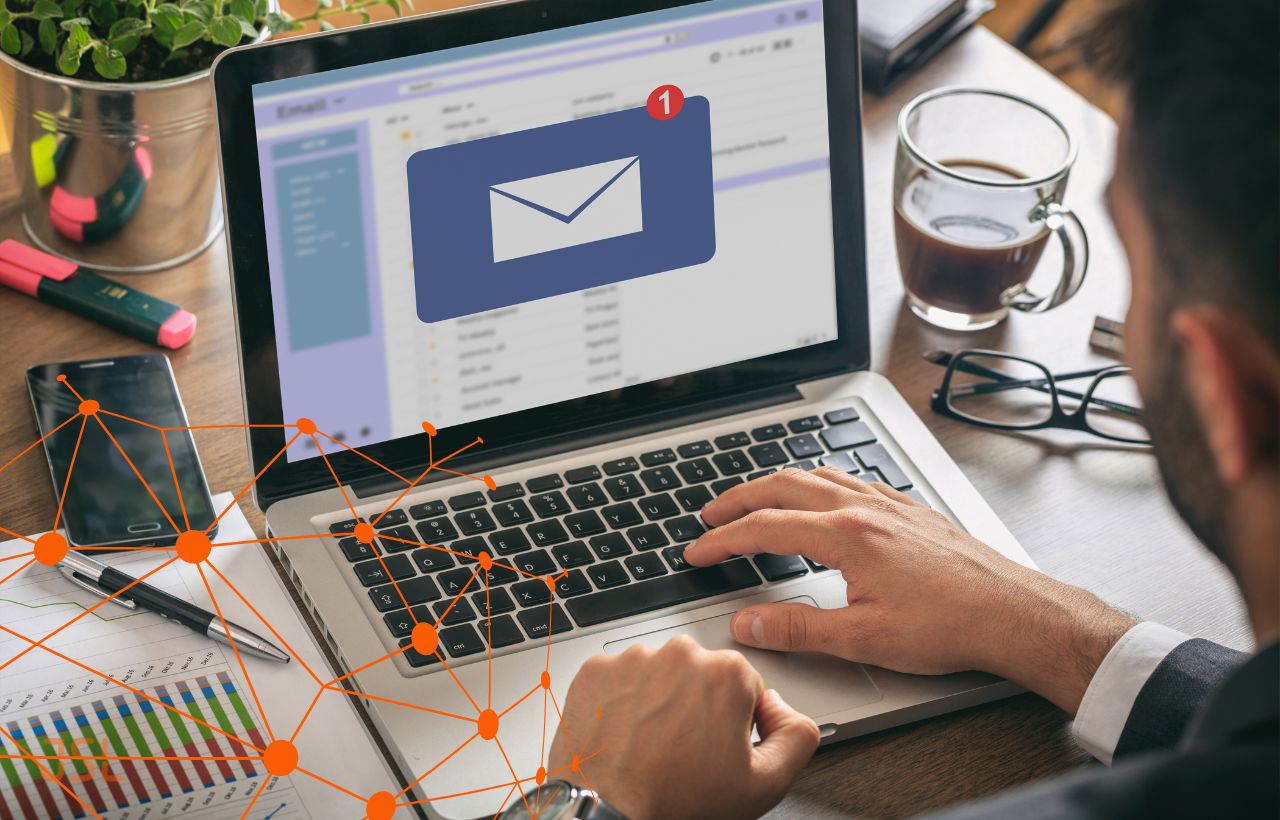
Phishing Emails: Why Staff Are Still the Weakest Link
JSL Services
Introduction
Most cyber incidents don’t begin with a technical failure.
They start with an email.
A message that looks genuine. A request that feels routine. A moment when someone is busy, distracted, or under pressure.
Despite improved technology and growing awareness, phishing emails remain one of the most effective ways attackers gain access to systems. Not because staff don’t care — but because phishing exploits normal human behaviour.
Understanding that distinction is key to reducing risk without blame.
When everyday emails become a business risk
Phishing isn’t just an inconvenience for IT teams.
When a phishing email succeeds, the impact often reaches far beyond the inbox:
Fraudulent payments made after email impersonation
Compromised accounts used to access sensitive data
Disruption while systems are checked and secured
Time diverted from day-to-day operations
These incidents rarely feel “cyber” at first. They feel like finance problems, operational delays, or uncomfortable conversations with customers and stakeholders.
That’s why phishing is best understood as a business risk, not just a technical one.
Why phishing still works so well
There’s a common assumption that phishing only works because people are careless.
In reality, phishing emails succeed because they’re designed to:
Look familiar and credible
Create urgency or authority
Blend into normal working patterns
Arrive at moments when people are multitasking
Attackers don’t rely on tricking everyone. They rely on catching someone at the wrong moment.
“Phishing works because it targets behaviour, not ignorance.”
Even well-trained, conscientious staff can be caught out — especially when guidance is unclear or pressure is high.
How JSL supports organisations — done the right way
At JSL, we approach phishing risk as part of a wider picture.
Email security, user behaviour, access controls, training, and IT support all play a role. Managing these in isolation often leaves gaps.
We help SMEs, charities and schools review how phishing risk shows up in real-world operations, explain where vulnerabilities sit, and put practical protections in place that support staff rather than slow them down.
That means clear advice, realistic priorities, and ongoing support — not finger-pointing or fear-based messaging.
Conclusion
Phishing emails remain effective not because staff are careless, but because attackers exploit normal human behaviour.
The organisations that reduce risk successfully don’t look for someone to blame. They build clarity, confidence and support into how people work every day.
If you’re unsure how exposed your organisation really is — or whether your current approach genuinely supports staff — a fresh, calm review can help.
If you need help understanding phishing risk or improving how it’s managed, JSL is here to help.
That’s why we offer a Free IT & Cyber Health Audit — a straightforward way to identify risks, review current controls, and agree practical next steps, without pressure.
About JSL Group
Since 2003, JSL has been supporting Buckinghamshire businesses, schools, and charities with reliable IT support, managed services, and cybersecurity solutions. As a Microsoft Partner, our mission is to simplify IT so you can focus on what matters most.
Take the stress out of IT with a free, no-obligation audit.
Introduction
For many small and medium-sized organisations, IT doesn’t feel like a problem.
Systems are familiar. Staff know how things work. Issues...
Introduction
For many small and medium-sized organisations, IT support starts with good intentions.A local technician, a helpful recommendation, someone who “knows...