From village schools to multi-site federations we have services adjusted to your needs, meaning you can be teaching our next generation secure in the knowledge we have it covered!
Your work is more important than worrying about IT issues, we have a fully adaptable range of services to make sure your focus remains on the task at hand!
Empowering SMEs with 2025 Cyber Security Insights
JSL Services
As we reach the end of 2025, one thing is clear: cyber security threats are evolving faster than ever. UK SMEs continue to face increased pressure from phishing attacks, supply-chain risks, credential theft, and ransomware.
But this year has also shown that with the right preparation — and the right partners — businesses can stay resilient.
As you prepare for 2026, here are the most important lessons from 2025 that every SME should carry forward to protect data, people, and operations.
1. Phishing Remains the Top Threat — and Awareness is Still Your First Defence
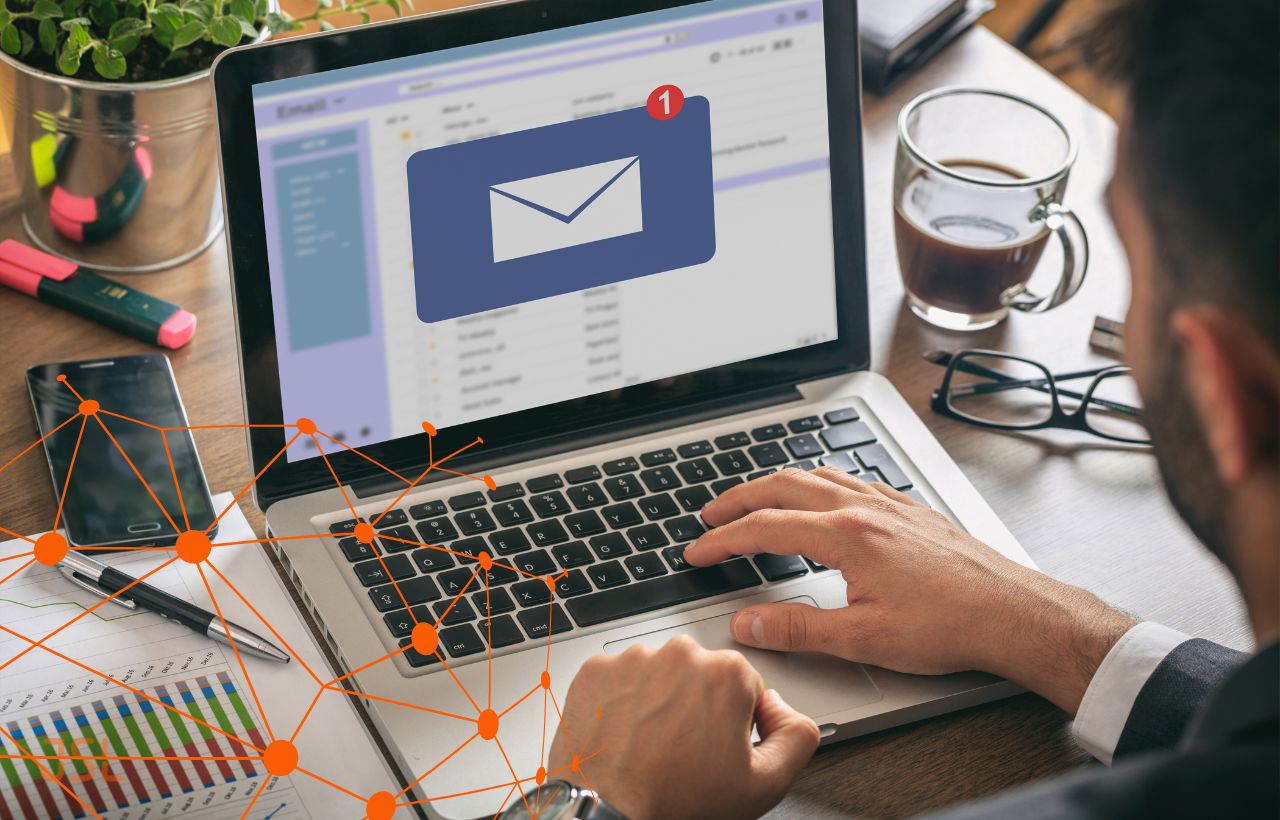
2025 confirmed what we already knew: phishing is still the easiest and most successful entry point for attackers.
This year we saw:
More personalised phishing emails
Better-crafted scams that copy suppliers and banks
A rise in payroll-related phishing during peak seasons
Attacks targeting school admins and SME finance teams
Regular staff awareness training is not optional — it’s essential. The quickest way to reduce cyber risk is by empowering people to spot the signs early.
2. MFA (Multi-Factor Authentication) is No Longer Optional
The businesses that avoided account takeovers in 2025 had one thing in common: MFA switched on everywhere.
Attackers don’t need to hack systems anymore — they simply steal passwords. MFA is the barrier that stops them.
Lesson for 2026:
If MFA isn’t enabled on all key systems, it should be your first action in the new year.
3. Backups Must Be Tested — Not Assumed
Many organisations still believe Microsoft 365 or Google Workspace automatically protect all their data. 2025 showed — again — that this isn’t the case.
We saw SMEs lose access to:
Shared drives accidentally deleted
Mailboxes compromised and wiped
Data encrypted during ransomware attacks
Those who recovered quickly had something in place: verified, tested backups.
Microsoft outlines what Microsoft 365 Backup does and doesn’t protect — making third-party backup essential.
Lesson for 2026:
A backup you haven’t tested isn’t a backup — it’s a gamble.
4. Supply-Chain Risks Can’t Be Ignored
This year highlighted a growing trend: attackers go after smaller suppliers first, knowing they often have weaker defences.
If one partner is compromised, it can impact:
Invoices
Payments
Shared documents
Email chains
Operational systems
Lesson for 2026:
Security is no longer limited to your own network — it includes everyone you work with.
5. Cloud Security Needs Proper Configuration
Cloud adoption grew again in 2025, but misconfigurations remained a major cause of data exposure.
The cloud is secure — but only when configured correctly.
6. Monitoring and Alerting Is Critical
A breach is far more damaging when it goes unnoticed.
In 2025, rapid detection made the difference between:
Minor inconvenience and
Major incident
Early alerts help businesses take action long before attackers gain momentum.
Lesson for 2026:
Continuous monitoring isn’t just for big organisations — it’s one of the most valuable tools SMEs can invest in.
7. Cyber Security Is a Business Responsibility, Not Just an IT Task
2025 proved that cyber security is no longer the job of one person or department.
It needs leadership oversight. It needs regular communication. And it needs ownership across the whole organisation.
Lesson for 2026:
Culture matters just as much as technology.
Final Thoughts
Looking ahead to 2026, SMEs don’t need complex systems or huge security budgets. The strongest organisations this year were the ones that invested in simple, proactive, practical steps — and stayed consistent.
Small habits make a big difference.
If you want support putting these lessons into action, we’re here to help.
Start 2026 Securely — Get a FREE, No-Obligation IT Audit
Before the new year begins, give your business clarity and confidence. Our free audit helps you understand your risks and prioritise what matters most.
If any of these challenges feel familiar, you don’t have to tackle them alone. JSL is here to help you understand your environment and make confident security decisions for 2026.
About JSL Group
Since 2003, JSL has been supporting Buckinghamshire businesses, schools, and charities with reliable IT support, managed services, and cybersecurity solutions. As a Microsoft Partner, our mission is to simplify IT so you can focus on what matters most.
Take the stress out of IT with a free, no-obligation audit.
Introduction
For many small and medium-sized organisations, IT doesn’t feel like a problem.
Systems are familiar. Staff know how things work. Issues...
Introduction
For many small and medium-sized organisations, IT support starts with good intentions.A local technician, a helpful recommendation, someone who “knows...